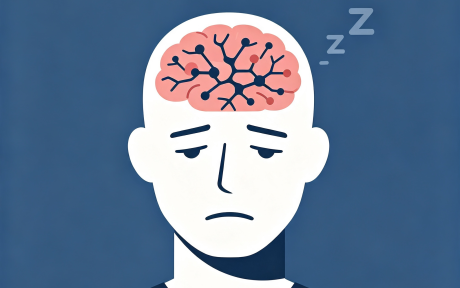

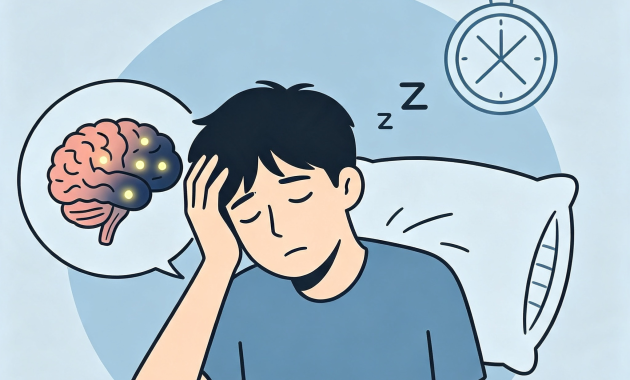
4 Ways Sleep Deprivation Damages Your Brain

Quality sleep serves as a fundamental biological necessity for all human beings to maintain their physical and mental health. When a person rests peacefully at night, the human brain actively works to restore energy and reorganize stored memories. Nevertheless, poor sleep patterns currently pose a serious threat to cognitive function among communities across the entire globe. Many scientists have long linked chronic sleep deprivation with an increased risk of neurodegenerative diseases, particularly fatal Alzheimer’s disease. Interestingly, the detrimental impacts of sleep disturbances are not experienced equally by every individual who suffers from them. 4 Ways Sleep Deprivation Damages Your Brain
Baca juga: Kurang Tidur Membuat Orang Menjadi Egois dan Kurang Empati
The Breakthrough Discovery: Researcher Collaboration in Australia
In late July 2026, a group of dedicated scientists successfully solved the mystery of why sleep disturbances damage certain brains faster. Researchers from the Centre for Precision Health (CPH) at Edith Cowan University (ECU) in Australia published this valuable study. The official findings appeared on July 31, 2026, in the prestigious scientific journal Alzheimer’s & Dementia. Dr. Ayeisha Milligan Armstrong together with Dr. Tenielle Porter led this expert team in unraveling the secrets of genetic sleep connections.
Understanding the Brain’s Waste Clearance System and the AQP4 Gene
Before understanding the research results, people should learn how the natural waste clearance system inside the brain actually operates. The human brain naturally flushes out toxic proteins and dangerous metabolic waste while a person sleeps deeply at night. During this crucial nighttime clearance process, a specific gene called Aquaporin-4 or AQP4 plays a vital supporting role. The AQP4 gene controls fluid movement through brain tissue so that the waste flushing process can run smoothly.
Research Methods and Study Characteristics
To uncover the secrets of this genetic interaction, the scientists conducted a series of scientific observations using detailed methodologies:
- Genetic Variation Analysis: The research team identified and analyzed 13 common AQP4 gene variants in human populations in great detail.
- Sleep Pattern Tracking: Researchers gathered self-reported participant data regarding daily sleep duration and the time required to fall asleep.
- Periodic Brain Scans: The expert team utilized advanced brain imaging to measure changes in total brain volume and gray matter density.
- Cognitive Function Testing: Scientists systematically tested memory performance and executive decision-making skills in participants across designated observation periods.
Research Findings and the Role of AQP4 Gene Variants
Through careful observation, the researchers discovered that each AQP4 gene variant responds quite differently to varying sleep quality levels:
- Gray Matter Loss: Carriers of specific AQP4 variants experienced significantly faster gray matter loss when their overall sleep duration shortened.
- Sleep Onset Latency Impact: Taking longer to fall asleep triggered accelerated volume reduction in brain structures among certain genetic variant groups.
- Varying Cognitive Changes: Sleep disturbances initiated memory decline and executive dysfunction through distinctly different patterns across various genetic variants.
- Dual Nature of Variants: The exact same gene variant could act protectively or harmfully, depending on an individual’s personal sleep habits.
Clinical Implications and Alzheimer’s Prevention
Dr. Ayeisha Milligan Armstrong explained that personal sleep habits represent a critical lifestyle factor that humans can actually modify. Meanwhile, Dr. Tenielle Porter added that future Alzheimer’s prevention strategies must become significantly more personalized and precisely targeted. The research team recommends future clinical trials that integrate genetic profiling data to evaluate how sleep improvements reduce Alzheimer’s risks.
Research Conclusion: Mechanisms of How Sleep Deprivation Causes Brain Issues
Based on the comprehensive scientific analysis, the researchers successfully summarized the biological mechanisms connecting sleep deprivation to brain damage: 4 Ways Sleep Deprivation Damages Your Brain
- Disrupted Clearance System: When a person suffers from inadequate sleep, the nighttime waste flushing system within the brain fails to function optimally.
- Toxic Protein Accumulation: Impaired fluid movement causes harmful Alzheimer’s-related proteins to accumulate because the AQP4 gene cannot flush waste effectively.
- Cellular and Gray Matter Damage: Waste buildup combined with vulnerable AQP4 gene variants triggers nerve cell damage and accelerates gray matter shrinkage.
- Volume Shrinkage and Cognitive Decline: The combination of sleep loss and risky genetic variants ultimately reduces total brain volume and permanently impairs memory function.