
Marine Plasmalogens Reverse Brain Aging in New Study, Researchers Find

Global society is increasingly recognizing the vital importance of maintaining brain health to preserve high life quality into old age. Many individuals actively seek healthy dietary patterns that can safeguard memory sharpness and prevent the gradual decline of neural function. However, the natural cellular aging process often diminishes brain performance silently without people noticing until symptoms appear. Marine Plasmalogens Reverse Brain Aging in New Study, Researchers Find
Read More: High Tyrosine Levels Linked to Shorter Lifespan in Men, Study Finds
Critical Brain Molecules and Natural Age-Related Decline
Within human neural tissue, a specialized class of fat molecules called plasmalogens plays an exceptionally critical role. These lipid compounds maintain cell membrane flexibility and ensure that cognitive signals travel smoothly through the nervous system without interruption. Unfortunately, the brain’s natural production of plasmalogens drops significantly as individuals age over the decades.
Discovery of Marine Foods That Counter Brain Aging
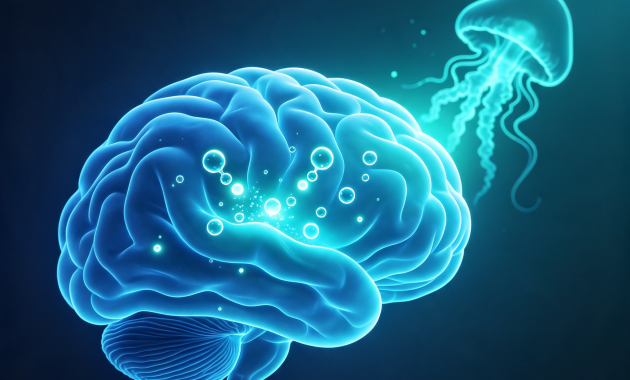
To combat this natural decline, scientists have discovered that consuming specific marine organisms can effectively slow down brain aging. Plasmalogen extracts derived from marine animals successfully nourish neural cells and restore cognitive memory functions that had previously faded. This breakthrough brings fresh hope that marine dietary nutrients could become a primary key to preventing brain deterioration.
Information on Researchers, Institutions, and Date of Publication
This scientific report regarding the benefits of marine foods was officially published on 23 Februari, 2022, on Frontirs. Professor Lei Fu led this international research effort alongside an interdisciplinary team of distinguished scientists from two countries. The researchers conducted their collaborative project under the auspices of Stanford University and Xi’an Jiaotong-Liverpool University.
Research Methodology and Dietary Intervention Testing
The scientists applied precise clinical testing methods to prove the tangible benefits of plasmalogen intake on brain tissue.
- Experimental Subjects: The study utilized a sample group of aged laboratory mice to observe natural cognitive decline patterns.
- Dietary Administration: The research team concentrated high levels of plasmalogen extract directly into the daily food regimen of the aged mice.
- Memory Evaluation: The experts assessed spatial memory and navigation abilities in the mice through a series of maze tests at regular intervals.
- Neural Effect Measurement: Researchers evaluated cell membrane flexibility, brain inflammation levels, and the overall density of neural synaptic connections.
Characteristics of Marine Foods, Animal Types, and Plasmalogen Benefits
Understanding the specific traits and natural sources of this compound is essential for developing targeted anti-brain-aging nutrition.
- Primary Marine Animal Sources: Plasmalogens abound in marine organisms known as sea squirts (Ascidiacea), which are popular culinary seafood items in East Asia.
- Chemical Nature of Neural Lipids: These specialized lipid molecules construct the primary structural framework for neural cell membranes throughout the nervous system.
- Regeneration of Synaptic Connections: Plasmalogen consumption stimulates the formation of new synapses, thereby accelerating information signal transmission across brain networks.
- Physical Manifestation Benefits: Beyond revitalizing internal brain organs, this nutrient reduces systemic inflammation and stimulates the regrowth of thick, dark fur in aged mice.
Biological Mechanisms of Plasmalogen Intake in Delaying Aging
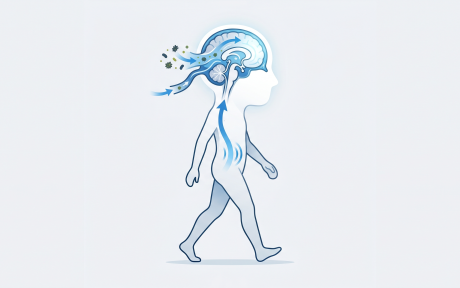
At a deeper level, these plasmalogen-rich nutrients work by directly replacing damaged lipid molecules within aging brain tissue. Furthermore, the compound calms overactive microglia cells, effectively stopping chronic inflammation throughout the aging neural environment. Additionally, this dietary intake triggers positive interactions between the gut microbiome ecosystem and the central nervous system.
Therapeutic Potential and Future Development Strategies
These findings open vast opportunities for using marine food extracts as a natural dietary therapy against cognitive decline in humans. Although current testing has proven effective in mice, similar human biological mechanisms suggest great potential for clinical translation. Consequently, the research team is preparing for clinical trials to formulate safe and effective dietary supplements for the public.
Research Conclusion
Marine Plasmalogens Reverse Brain Aging in New Study, Researchers Find. Research conducted by scientists from Stanford University and Xi’an Jiaotong-Liverpool University in September 2026 demonstrates that dietary intake of plasmalogens from sea squirt marine organisms significantly slows and reverses brain aging. These lipid compounds effectively restore memory, rejuvenate synaptic connections, alleviate neural inflammation, and revitalize physical traits. These findings reinforce the immense potential of seafood-derived plasmalogens as a primary nutritional strategy to prevent age-related brain deterioration.